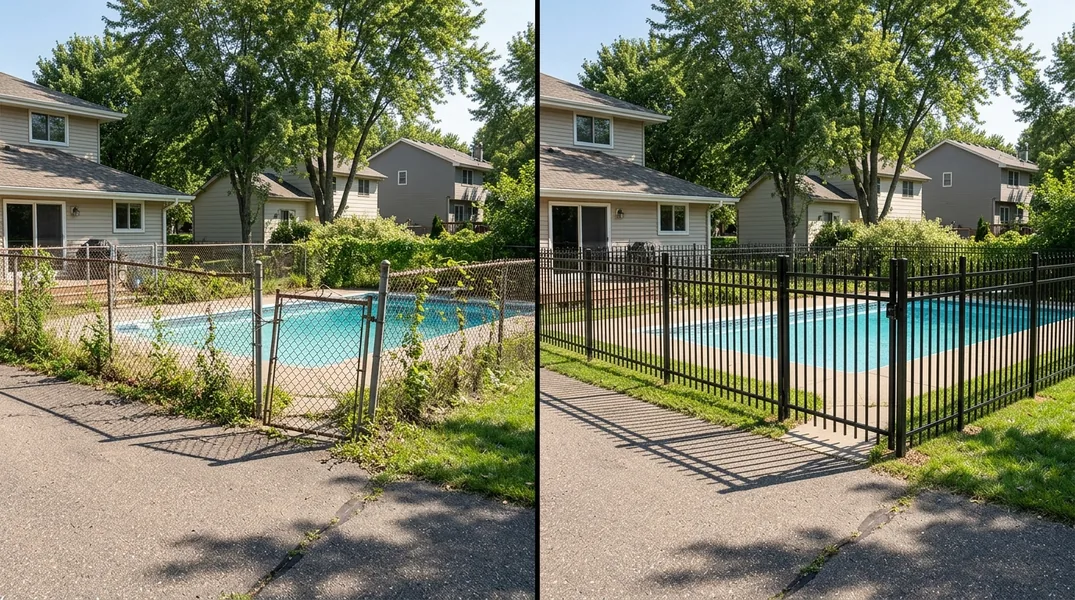
Understanding HOA Fence Rules in Your Community
If you own a home in Maple Grove, Woodbury, Lakeville, or the greater Minneapolis area, and your property is part of a homeowners association, you already know that HOAs come with rules. One of the most common areas where HOA guidelines matter is fencing. Before you call a contractor or start dreaming about your new backyard privacy fence, you need to understand what your HOA actually permits.
Many homeowners assume they can install any fence they want on their own property. The reality is more nuanced. Your HOA likely has specific requirements about fence materials, height, color, placement, and style. Violating these rules can result in fines, mandatory removal of your fence, or legal disputes with your association. The good news is that understanding these requirements upfront takes just a few hours of research and can save you thousands of dollars and countless headaches down the road.
Where to Find Your HOA Fence Approval Guidelines
Your first step is to locate your HOA's governing documents. These typically include the Covenants, Conditions, and Restrictions (CC&Rs), the bylaws, and any architectural guidelines or design standards. Most HOAs provide these documents to homeowners at the time of purchase, but if you can't find yours, contact your HOA management company directly. They can provide copies and answer specific questions about fence policies.
Many HOAs in the Maple Grove and Woodbury areas have websites where you can download these documents online. If your association doesn't have an online portal, request the documents in writing and ask for a timeline on when you'll receive them. Some HOAs charge a small fee for document copies, but this is a worthwhile investment before you commit to any fence project. Pay special attention to sections labeled 'Architectural Review,' 'Exterior Modifications,' or 'Landscaping and Fencing.' These sections will contain the specific rules you need to follow.
Key HOA Fence Rules to Check First
When you review your HOA documents, look for these critical details. First, check the maximum fence height allowed. Most HOAs permit fences between four and six feet in height, but some may have lower limits for front yards or side yards. Height restrictions exist to maintain sightlines, prevent the neighborhood from looking fortress-like, and ensure consistent aesthetics across the community.
Second, examine the allowed materials. Your HOA may restrict you to wood, vinyl, aluminum, or chain link fencing, or it may prohibit certain materials entirely. For example, some HOAs in Minneapolis and surrounding suburbs do not allow vinyl or PVC fencing because they prefer the traditional appearance of wood. Others mandate vinyl because it requires less maintenance and maintains a uniform appearance longer. If you're considering Wood & Privacy Fence Installation, confirm that wood is approved before moving forward. Similarly, if you prefer Vinyl & PVC Fence Installation, verify that your HOA permits it.
Third, understand fence color rules. This is where many homeowners get surprised. Your HOA may require that fences be a specific color, such as natural wood tones, white, gray, or black. Some associations prohibit bright colors or require that fence colors complement your home's exterior. Knowing these fence color rules before you purchase materials will ensure your fence passes inspection and won't need to be repainted or replaced.
The Fence Approval Process and Timeline
Most HOAs require that you submit an architectural review request or modification application before you begin any fence installation. This process typically involves completing a form, providing detailed plans or drawings of your proposed fence, and sometimes submitting photos of the location where the fence will be installed. The HOA then reviews your submission against its guidelines and either approves it, requests modifications, or denies it.
The timeline for approval varies by community. Some HOAs respond within two weeks, while others may take a month or longer. If you're planning a spring fence installation, submit your request during the winter months to allow time for the approval process. Don't make the mistake of starting construction before you have written approval. If your fence is built without approval and violates HOA rules, you could be forced to remove it entirely, regardless of the cost or effort involved. Getting written fence approval upfront is always the smarter move.
When you submit your request, be thorough and professional. Include high-quality photos, measurements, material samples if possible, and a clear description of what you're proposing. If you're working with a local contractor like Minneapolis Fence Pros, many professionals can help prepare these materials for you. Having professional documentation increases the likelihood of approval and demonstrates that you've given serious thought to your project.
Common Fence Restrictions in Lakeville, Woodbury, and Maple Grove Communities
Different HOAs have different philosophies about fencing. In many Lakeville communities, HOAs prioritize open, neighborhood-friendly aesthetics and may restrict solid privacy fences in front yards. However, these same communities often allow full privacy fences in backyards. Woodbury HOAs tend to be strict about materials and appearance, often requiring that fences match the architectural style of the neighborhood or complement existing homes.
Maple Grove communities frequently have detailed design guidelines that specify not only fence materials and colors but also post spacing, cap styles, and even the direction of fence boards. These communities take a comprehensive approach to maintaining property values and neighborhood character. Before you commit to any specific fence design, understand your community's particular philosophy. What's acceptable in one Lakeville subdivision may be prohibited in another just a few blocks away.
If your HOA has particularly restrictive rules and you're still determined to install a fence, you have options. Some HOAs allow variance requests or exceptions if you can demonstrate that your proposed fence will not negatively impact the neighborhood or property values. This process typically requires more documentation and a formal hearing, but it's worth exploring if your HOA's standard rules don't work for your property.
Working With a Local Contractor Who Understands HOA Requirements
Once you understand your HOA's rules, partnering with an experienced local contractor makes the installation process smoother. A contractor familiar with Minneapolis-area HOA requirements can help you design a fence that meets all guidelines and prepare your architectural review application. They can also advise you on materials and styles that are likely to gain approval in your specific community.
Minneapolis Fence Pros has extensive experience working with HOA-governed properties throughout the metro area. When you contact us for a free estimate, mention that your property is part of an HOA. We can discuss your community's specific requirements, help you understand your options, and ensure that your fence project moves forward without delays or rejections. Call us at (952) 206-3832 to discuss your project and get started on the right foot.
Looking for a professional tree service in Minneapolis? Minneapolis Fence Pros responds fast for all your fence needs.
Get a Free Quote